



Top 10 tinnitus sounds people hear | Treatment directions by type
Ebian TV · Watch on YouTube
Ultrasound-guided facial nerve examination available
To assess the extent of facial nerve damage and the likelihood of lingering effects objectively,
we perform ultrasound-guided facial nerve examinations to look at the extent of nerve damage.
Two generations of clinical experience with facial palsy, with step-by-step care
Our care draws on many years of experience with facial palsy.
From early facial palsy to its lingering effects, we plan step-by-step care tailored to each patient's condition.
Integrated care for cranial nerve and facial conditions
The auditory nerve and the facial nerve are neighboring cranial nerves that run side by side through the narrow internal auditory canal. Because facial palsy can occur together with tinnitus and hearing loss, we provide integrated care for cranial nerve and facial conditions from a whole-picture perspective.
Care built on clinical experience
A treatment program built on our clinical experience
We look at how the cranial nerves connect—from tinnitus and hearing loss to facial palsy—and provide integrated care.
Open 365 days a year—visit early.
Sudden hearing loss, early facial palsy, sudden dizziness, and more—
we keep our doors open 365 days a year for patients who need prompt care.
AI-assisted digital detailed hearing test
The tinnitus only you can hear—its location, loudness, and how bothersome it is—
is measured and visualized as hearing data to help guide your care.
Brain Function Tracking Test
Proper treatment has to reach the brain, so we examine the sound–brain connections and the autonomic nervous system
and provide precise care for hearing, memory, and cognitive function, with the aim of preventing dementia.
Weekdays; survey period: Sep 1 – Oct 21, 2025
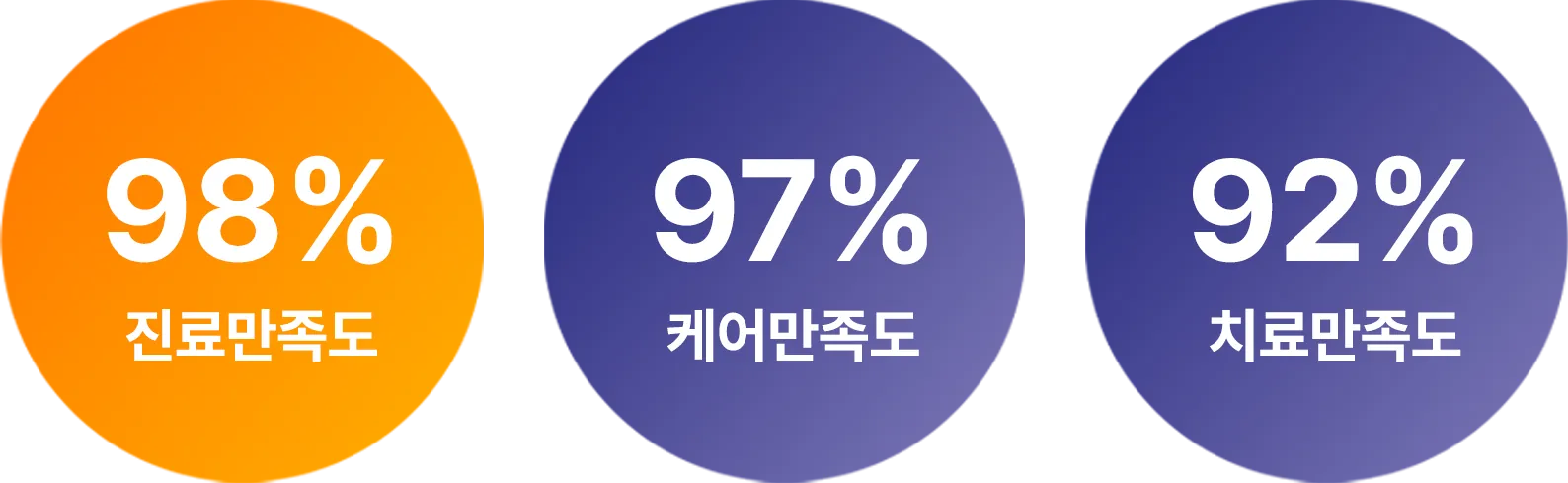
The result of focusing on cranial nerve and facial conditions
The satisfaction of patients who have regained a peaceful life is Ebian Korean Medicine Clinic's pride and the foundation of our trust.
Gongjin-dan prescribed at Ebian Korean Medicine Clinic for hearing, cranial nerve, and facial conditions

Gongjin-dan containing 120 mg of musk, prescribed at Ebian Korean Medicine Clinic after examination

Herbal medicine prescribed after examination for sleep problems and anxiety
For those who find it hard to fall asleep because of insomnia or anxiety, we prescribe herbal medicine after an examination.
Ultrasound-guided facial nerve examination available
Two generations of clinical experience with facial palsy, with step-by-step care
Integrated care for cranial nerve and facial conditions
Care built on clinical experience
Open 365 days a year—visit early.
For patients who need prompt care—sudden hearing loss, early facial palsy, sudden dizziness, and more—we keep our doors open 365 days a year.
AI-assisted digital detailed hearing test
The tinnitus only you can hear—its location, loudness, and how bothersome it is—is measured and visualized as hearing data to help guide your care.
Brain Function Tracking Test
Proper treatment has to reach the brain,
so we examine the sound–brain connections and the autonomic nervous system
and provide precise care for hearing, memory, and cognitive function,
with the aim of preventing dementia.
The result of focusing on cranial nerve and facial conditions
The satisfaction of patients who have regained a peaceful life
is Ebian Korean Medicine Clinic's pride and the foundation of our trust.
Gongjin-dan prescribed at Ebian Korean Medicine Clinic for hearing, cranial nerve, and facial conditions
Gongjin-dan containing 120 mg of musk, prescribed at Ebian Korean Medicine Clinic after examination
Herbal medicine prescribed after examination for sleep problems and anxiety
For those who find it hard to fall asleep because of insomnia or anxiety, we prescribe herbal medicine after an examination.










 Open 365 days a year, with weekday evening hours |  Pre-visit phone consultation to shorten waiting time |  |  Medical interpretation service |  |
| Open 365 days a year, with weekday evening hours |
| Pre-visit phone consultation to shorten waiting time |
 | |
| Medical interpretation service |
|
Q&A
Questions we are often asked about tinnitus, hearing loss, facial palsy, dizziness and herbal medicine.
The answers below are based on Korean and international clinical practice guidelines and research. Under each answer, «View supporting study» shows the citation of the study behind it and the study's limitations.
Symptoms and the course of recovery can differ from person to person, and the diagnosis and treatment plan are decided after an examination.
No. The Korean tinnitus clinical practice guideline (2026, published online ahead of print) sets the first goal of treatment as reducing the distress caused by tinnitus and restoring daily function to improve quality of life. The American Academy of Otolaryngology–Head and Neck Surgery guideline (2014) also strongly recommends distinguishing bothersome from non-bothersome tinnitus, and recommends education on management strategies and cognitive behavioral therapy for bothersome tinnitus lasting 6 months or longer.
View supporting study →It is common. In data on 19,290 adults from the Korea National Health and Nutrition Examination Survey (2009–2012), the prevalence of tinnitus was 20.7%. Among people with tinnitus, 69.2% reported no discomfort, 27.9% moderate discomfort and 3.0% severe distress. Both the prevalence of tinnitus and the share of distressing tinnitus were higher at older ages.
View supporting study →If tinnitus has just started, the first step is an examination of the inside of the ear and a hearing test. The American Academy of Otolaryngology–Head and Neck Surgery tinnitus guideline (2014) recommends taking a history and examining the patient at the first visit, and arranging a prompt comprehensive hearing test if the tinnitus is in one ear only, lasts 6 months or longer, or comes with hearing difficulty.
View supporting study →The US guideline recommends a hearing test within 14 days of symptoms and lists steroids within 2 weeks as an option. Many studies found smaller recovery when treatment started after 2 weeks, but some found no difference within the first week.
View supporting study →The American Academy of Otolaryngology–Head and Neck Surgery sudden hearing loss guideline (2019) recommends repeating the hearing test at the end of treatment and within 6 months after treatment ends. If hearing has not fully returned or tinnitus remains, it strongly recommends counseling on the benefits of hearing rehabilitation and supportive measures.
View supporting study →In a study following 639 people for a median of 11.9 years, the hazard ratio for dementia was 1.89 for mild, 3.00 for moderate and 4.94 for severe hearing loss, and a meta-analysis of 50 cohort studies also found dementia risk rose 16% for every 10 dB of hearing decline. Because these are observational studies, a causal relationship has not been established.
View supporting study →If one side of the face suddenly droops together with weakness or numbness in the arms or legs, difficulty swallowing, severe dizziness, double vision or trouble keeping balance, go to the emergency room, because a stroke must be ruled out. If only the face droops without those symptoms, it is likely peripheral facial palsy, and the first step is a diagnosis at neurology or ENT.
View supporting study →Yes, it can. Korea's National Health Information Portal explains that Bell's palsy develops quickly over a few hours, worsens over the following days, and usually reaches its most severe point after about 3 days. On the other hand, if symptoms worsen gradually over days to months, other causes such as a tumor, an autoimmune disease or a chronic infection should be considered.
View supporting study →In most cases recovery from facial palsy begins within a few weeks, but in some it starts after 3 to 5 months. Three months is the point for re-evaluation, and after 6 months the management of after-effects is also addressed. This summary is based on cohort studies, randomized controlled trials and clinical guidelines.
View supporting study →BPPV is characterized by brief dizziness when changing position, Ménière's disease by attacks of 20 minutes to 12 hours with ear symptoms, and vestibular neuritis by dizziness lasting more than 24 hours without ear symptoms. This follows the international diagnostic criteria.
View supporting study →If dizziness comes with neurological symptoms, stroke is suspected first. A stroke causing dizziness alone is identified with the HINTS eye examination by experienced clinicians, and early MRI can also miss it.
View supporting study →One study found that untreated BPPV dizziness resolved after an average of 39 days for the posterior canal and 16 days for the horizontal canal. For posterior canal BPPV, there is trial evidence that a repositioning maneuver brings faster improvement.
View supporting study →Ménière's disease is diagnosed using international criteria that combine attacks of dizziness lasting 20 minutes to 12 hours, low- to mid-frequency sensorineural hearing loss confirmed by a hearing test, and fluctuating ear symptoms. MRI is being studied as a supplementary test.
View supporting study →Hearing your own voice and breathing echo are the typical symptoms of a patulous Eustachian tube. Diagnosis follows the Japan Otological Society criteria, which consider symptoms, changes with posture and objective findings such as eardrum movement together.
View supporting study →Korean studies report that fewer than 1% of patients taking herbal medicine prescribed by medical institutions met the criteria for drug-induced liver injury: 0.60% in a prospective study at 10 hospitals nationwide and 0.49% in a meta-analysis of 9 Korean studies. It is rare but not zero, and the risk appeared somewhat higher in people with existing liver disease, so it is important to share any liver disease and current medications and to get checked promptly if unusual symptoms appear.
View supporting study →RESEARCH
Explanatory videos from Ebian TV, plus care guides and evidence by condition.
Ebian TV · Watch on YouTube
Ebian TV · Watch on YouTube
 02)523-8080
 KakaoTalk Chat: Ebian Korean Medicine Clinic
02)523-8080
KakaoTalk Chat: Ebian Korean Medicine Clinic

 Book on Naver
 Online Consultation
 KakaoTalk Chat
 Official Blog
 Official YouTube
 Official Instagram